
Ductless Fume Hood
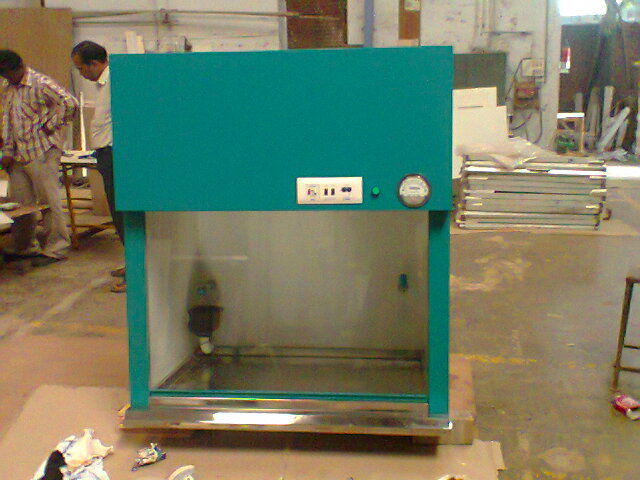
A ductless fume hood is a ventilated enclosure that traps and filters hazardous fumes, recirculating clean air back into the laboratory, rather than exhausting it outside. They are designed for use with low-hazard chemicals and often feature carbon and HEPA filters to remove toxins and particles. Ductless fume hoods are known for their flexibility, ease of installation, and energy efficiency, as they don't require ductwork or external ventilation.
Key Features and Benefits:
-
Filtration:
Ductless fume hoods utilize filters, such as activated carbon and HEPA filters, to remove fumes, vapors, and particles, purifying the air before recirculating it.
-
Containment:
They provide a contained workspace, preventing the release of hazardous substances into the laboratory environment.
-
Flexibility and Mobility:
Without the need for ductwork, ductless fume hoods are easy to install and relocate, offering flexibility in lab design and placement.
-
Energy Efficiency:
They don't require external ventilation, leading to lower energy consumption compared to ducted fume hoods.
-
Cost-Effective:
Ductless fume hoods generally have lower installation and maintenance costs due to the absence of ductwork.
-
Environmental Protection:
By recirculating clean air, they contribute to a safer environment.
-
Suitable for Low-Hazard Applications:
Ductless fume hoods are typically recommended for use with low-hazard chemicals and processes.
Types of Filters:
- Activated Carbon Filters: Absorb and trap volatile organic compounds (VOCs) and other gaseous contaminants.
- HEPA Filters: Capture particulate matter, such as dust and powders.
- Specialty Filters: Some models may include filters for specific chemicals, like ammonia or formaldehyde.
Considerations:
- Filter Saturation: Activated carbon filters have a limited capacity and may need to be replaced when saturated.
- Hazard Level: Ductless fume hoods are generally recommended for low-hazard applications.
- Proper Maintenance: Regular filter replacement and hood maintenance are essential for optimal performance and safety.