
Ventilated Chemical Storage
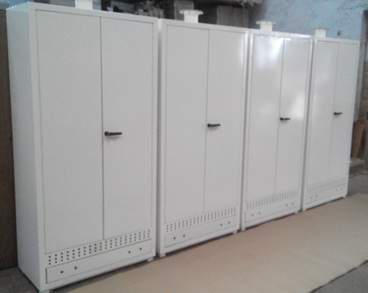
Ventilated chemical storage refers to the practice of providing adequate airflow to storage areas holding chemicals, ensuring the removal of harmful fumes, vapors, and dusts, and maintaining a safe environment. Proper ventilation is crucial to prevent the buildup of dangerous substances, which can lead to health risks, fires, or explosions.
Key Aspects of Ventilated Chemical Storage:
-
Purpose:
To create and maintain a safe environment for storing, handling, and potentially mixing chemicals by controlling air quality.
-
Methods:
Ventilation can be achieved through passive methods (like vents and louvers that create natural airflow) or mechanical systems (using fans and ductwork to force air movement).
-
Factors Influencing Ventilation Needs:
- Chemical Properties: Highly volatile or toxic chemicals require more stringent ventilation.
- Room Size and Layout: Larger spaces need higher airflow to maintain safe conditions.
- Activity Levels: Frequent handling of chemicals increases fume production, necessitating higher air exchange rates.
-
Importance of Exhaust:
Ventilation systems should exhaust fumes and vapors outside the building and away from ignition sources, preventing exposure to surrounding areas and potential hazards.
-
Compliance with Regulations:
Ventilation systems may be legally required for certain chemicals, especially those listed in workplace exposure standards.
-
Types of Storage:
Ventilated storage cabinets are available for various chemical types (e.g., flammable, corrosive) and should be selected based on the specific needs of the stored chemicals.
-
Specific Requirements:
Corrosive storage cabinets, for example, require specific design features like leak-proof pans and corrosion-resistant materials.
-
Cabinet Design:
Ventilated safety cabinets should have features like adjustable shelves, alarm systems, and sample ports for monitoring saturation.
-
Maintenance:
Regular checks of ventilation systems, including fan function, ductwork integrity, and filter condition, are essential for ongoing safety.
In essence, ventilated chemical storage is a critical component of safe chemical management, ensuring a healthy and secure environment for personnel and minimizing risks associated with chemical storage and handling.