
File Cabinet
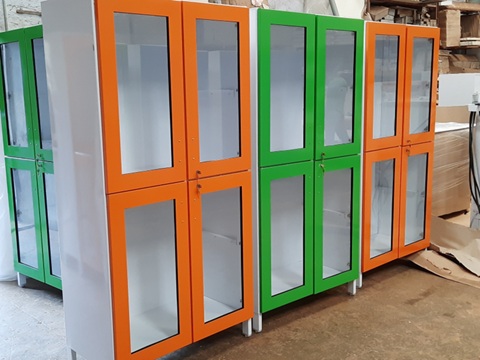
A file cabinet lab is a specialized type of storage unit designed to hold and organize documents and files within a laboratory or scientific research environment. These cabinets are typically made of durable materials like steel and may feature specific design elements to enhance functionality and security in a lab setting.
Key characteristics and features of a file cabinet lab:
-
Durability and Material:
Often constructed from steel or other robust materials to withstand the rigors of a lab environment and potential exposure to chemicals.
-
Corrosion Resistance:
May feature coatings or materials that resist rust and corrosion, crucial for maintaining the integrity of stored documents and supplies.
-
Secure Storage:
Designed to provide secure storage for sensitive documents, research data, and valuable samples.
-
Organization:
Offers a structured way to organize files, documents, and other lab supplies, improving workflow and efficiency.
-
Accessibility:
Provides easy access to stored items while maintaining a tidy and organized workspace.
-
Specialized Designs:
May include features like slide backstops for slides or specific compartments for storing different types of lab materials.
-
Compliance:
May be designed to meet specific laboratory safety and compliance requirements.
Examples of use in a lab:
-
Storing research data and lab reports:
Keeping research findings organized and accessible is crucial for efficient work and future analysis.
-
Managing chemical and biological samples:
Some cabinets are designed to store samples or reagents safely, with features that help maintain their integrity.
-
Organizing lab protocols and procedures:
A structured filing system for SOPs and other essential documents ensures that lab staff can easily access the information they need.
-
Secure storage of confidential information:
In research facilities, some information may be confidential, and file cabinets can offer a secure way to store this data.